Tag: Search engine marketing

  • Why Your Niece’s TikTok Skills Won’t Save Your Business (And What Will)

    Why Your Niece’s TikTok Skills Won’t Save Your Business (And What Will)

    Sorry, But Your Nephew Isn’t a Social Media Strategy Let’s address the elephant in the boardroom. “We have someone’s nephew managing our social media. He’s really good at Instagram!” I hear this more often than I’d like to admit. And while I appreciate the family support and the desire to keep things “in-house,” we need to have an honest conversation about what this approach is actually costing your business. The Hidden Cost of “Free” Social Media Management Professional social media marketing is significantly more affordable than most companies realize – and exponentially more effective than delegating it to someone who “posts when they remember” between their actual job responsibilities, college classes, or weekend plans. Here’s what most business owners don’t calculate: the opportunity cost. Every day without a strategic social media presence is a day your competitors are building relationships with your potential customers. Every inconsistent post or radio silence on your channels is eroding trust with your audience. Every missed engagement opportunity is revenue walking out the door. What Professional Social Media Actually Delivers The ROI of professional social media management is straightforward when you break it down: 

    • Strategic content aligned with business objectives – Not just random posts, but a cohesive narrative that moves prospects through your sales funnel
    • Consistent brand messaging across platforms – Your voice, values, and visual identity remain recognizable whether someone finds you on LinkedIn, Instagram, or Facebook
    • Data-driven optimization and tracking – Real metrics that show what’s working, what’s not, and how to adjust for better results
    • Measurable lead generation metrics – Actual conversions, not just vanity metrics like follower counts

     This Isn’t About Budget. It’s About Priority. The truth is, this isn’t really about budget constraints. Most companies spend more on their monthly coffee supply than they do on professional social media management.This is about recognizing that social media is a critical business function in 2025, not a side project for your tech-savvy relative who “gets social media” because they have a lot of followers. Your competitors have professional teams managing their digital presence. Your customers expect consistent, strategic engagement. The investment is more accessible than you think – and the cost of not investing is far higher. The Reality CheckWould you let your nephew handle your accounting because he’s good at math? Would you have your niece manage your legal contracts because she watches a lot of Law & Order? Of course not. So why are we treating social media – often the first touchpoint potential customers have with your brand – any differently? Social media management requires:

    • Understanding of platform algorithms and best practices
    • Content strategy and copywriting skills
    • Graphic design and visual storytelling
    • Community management and customer service
    • Analytics interpretation and optimization
    • Paid advertising strategy and budget management
    • Crisis management and brand reputation monitoring

     That’s not a side hustle. That’s a profession. Ready to Make the Shift?If you’re ready to elevate your social media from “whenever someone has time” to a strategic business driver that actually generates leads and revenue, let’s talk. Professional social media management isn’t an expense – it’s an investment in your brand’s digital presence, customer relationships, and bottom line. And it’s probably more affordable than you think. Learn more about our approach: https://equilibrio.socialsipper.com/services/social-media-marketing




  • Don’t Let Your Marketing Turn Into a Horror Movie

    Don’t Let Your Marketing Turn Into a Horror Movie

    Happy National Horror Movie Day! 🎬

     We all love a good scare at the movies—the suspense, the jump scares, the edge-of-your-seat moments. But when it comes to your marketing strategy? That’s one place where horror should never be part of the script.


    When Marketing Goes From Blockbuster to Nightmare

    Picture this: You launch a campaign without proper planning. Your messaging is inconsistent. Your audience doesn’t understand your value proposition. Your content calendar? Non-existent. Sound familiar? That’s the marketing equivalent of a horror movie—and not the fun kind. Without a creative strategy and proper planning, even the most promising brand story can quickly turn into a disaster that keeps you up at night (and not in a good way).


    The Marketing Horror Stories to Avoid


    🎈 The Plot Hole DisasterJust like a movie with a confusing storyline, marketing without a clear strategy leaves your audience lost and disengaged. They won’t stick around to figure out what you’re trying to say.🎈The Inconsistent Character When your brand voice changes from platform to platform or post to post, you create confusion instead of connection. Your audience needs to recognize you instantly—like a horror movie’s iconic villain (but, you know, in a good way).🎈The Jump Scare Approach Posting sporadically or only when you “feel like it” is the equivalent of random jump scares—startling, but not effective. Consistency builds trust and keeps your audience engaged.🎈The Forgotten Sequel Launching campaigns without follow-through or measurement is like making a sequel nobody asked for. You need to track performance, learn from results, and continuously improve.


    Keep Your Marketing Thrilling in All the Right Ways

    The good news? You can create marketing that’s compelling, engaging, and successful—without the nightmares. Here’s how:


    1. Plan Your Story Arc

    Every great movie starts with a script. Your marketing needs a strategic plan that outlines your goals, target audience, key messages, and tactics. Know where you’re going before you start filming.


    2. Develop Your Brand Character

    Create a consistent brand voice and visual identity that resonates across all platforms. Your audience should recognize you immediately, whether they’re scrolling Instagram or reading your blog.


    3. Build Suspense (The Good Kind)

    Use content calendars and strategic timing to build anticipation. Tease upcoming launches, create countdown campaigns, and keep your audience engaged with regular, valuable content.


    4. Cast the Right Channels

    Not every platform is right for every brand. Choose your marketing channels based on where your audience actually spends their time—and where you can deliver the most value.


    5. Edit, Edit, Edit

    Review your analytics regularly. What’s working? What’s falling flat? Use data to refine your approach and cut what isn’t serving your story.


    6. Create a Memorable Climax

    Your calls-to-action should be clear, compelling, and impossible to ignore. Guide your audience to the next step with confidence and clarity.


    The Happy Ending Your Brand Deserves

    Marketing doesn’t have to be scary. With the right strategy, creative planning, and consistent execution, your brand story can be the blockbuster hit you’ve always envisioned—engaging your audience, building loyalty, and driving real results. So this National Horror Movie Day, enjoy the scares on screen. But when it comes to your marketing? Let’s keep it thrilling, strategic, and successful. Ready to transform your marketing from horror show to box office hit? Let’s create a strategy that keeps your brand story compelling for all the right reasons.

  • No More Sacred Cows in Your Marketing: Let’s Milk Every Opportunity for What It’s Worth

    No More Sacred Cows in Your Marketing: Let’s Milk Every Opportunity for What It’s Worth

    Why it’s time to challenge your marketing assumptions and squeeze maximum value from every strategy.
     
    In the world of marketing, we often treat certain strategies, channels, or beliefs as untouchable “sacred cows” – approaches we’ve always used simply because “that’s how we’ve always done it.” But here’s the truth: in today’s rapidly evolving digital landscape, clinging to outdated marketing sacred cows can leave you watching competitors surge ahead while you’re stuck in the pasture.
     
    It’s time to challenge everything and milk every marketing opportunity for maximum results.


    What Are Your Marketing Sacred Cows?

    Before you can eliminate them, you need to identify them. Common marketing sacred cows include:
     
    Traditional Channel Worship

    • “We’ve always advertised in print, so we always will”
    • “Our audience isn’t on TikTok” (without ever testing it)
    • Email marketing is dead” (spoiler: it’s not)

    Budget Allocation Assumptions

    • Automatically renewing the same media spend year after year
    • Avoiding “risky” new platforms with smaller, but highly engaged audiences
    • Treating brand awareness and performance marketing as separate entities

    Content Creation Comfort Zones

    • Sticking to the same content formats because they’re “safe”
    • Avoiding controversial or bold messaging that could differentiate your brand
    • Creating content for yourself instead of your actual audience


    The Cost of Keeping Sacred Cows

    Every sacred cow in your marketing stable is costing you:
     
    Missed Opportunities: While you’re protecting outdated strategies, competitors are capturing market share through innovative approaches.
    Wasted Resources: Continuing ineffective tactics drains budget and team energy that could be invested in high-performing alternatives.
    Stagnant Growth: Sacred cows create marketing complacency, preventing the bold moves necessary for breakthrough results.
    Disconnected Messaging: When you’re not willing to evolve, your brand voice becomes increasingly disconnected from your audience’s current needs and preferences.


    How to Milk Every Marketing Opportunity

    1. Conduct a Sacred Cow Audit

    List every marketing strategy, channel, and assumption your team considers “essential.”
     
    Then ask:
     

    • What evidence supports this approach?
    • When did we last test alternatives?
    • What would happen if we eliminated this entirely?


    2. Embrace Data-Driven Decisions

    Replace gut feelings and tradition with hard metrics. If a channel isn’t delivering measurable ROI, it’s time to either optimize or eliminate it – regardless of how long you’ve been using it.


    3. Test Everything

    • A/B test your sacred cow messaging against bold alternatives
    • Experiment with new platforms before dismissing them
    • Try unconventional content formats
    • Test different audience segments you’ve previously ignored


    4. Reallocate Resources Ruthlessly

    Take budget from underperforming “traditional” channels and invest in high-potential opportunities.
     
    This might mean:
     

    • Shifting print budget to influencer partnerships
    • Moving generic social content budget to platform-specific, native content
    • Investing in emerging platforms where your audience is migrating


    5. Challenge Your Brand Voice

    If your messaging has remained unchanged for years, it’s likely stale.
     
    Consider:
     

    • Are you speaking to your audience’s current pain points?
    • Does your tone match where your customers are mentally and emotionally?
    • Are you differentiating or blending in with competitors?


    The Social Sipper Approach: Fresh Thinking for Fresh Results

    At Social Sipper, we recognize that all industries, like marketing, are constantly evolving. Consumer preferences shift, new platforms emerge, and what worked yesterday might not work tomorrow.
     
    That’s why we’re committed to:
     

    • Continuous Testing: We don’t assume we know what works – we prove it
    • Agile Strategy: Our marketing adapts as quickly as consumer behavior changes
    • Bold Messaging: We’re not afraid to stand out in a crowded marketplace
    • Data-Driven Decisions: Every marketing dollar is invested based on performance, not tradition


    Your Action Plan: From Sacred Cows to Cash Cows

    Week 1: Audit your current marketing mix. Identify your sacred cows.
    Week 2: Analyze performance data for each strategy. Which are actually driving results?
    Week 3: Design tests for your top 3 sacred cows. What alternatives could you try?
    Week 4: Launch your first test. Start small, measure everything.
    Month 2: Scale what works, eliminate what doesn’t – regardless of how long you’ve been doing it.


    The Bottom Line

    In marketing, tradition can be the enemy of innovation. Every sacred cow you protect is a cash cow you’re potentially sacrificing. The brands that thrive are those willing to challenge everything, test constantly, and optimize relentlessly.
     
    Your competitors are counting on you to keep those sacred cows. Don’t give them that advantage.
     
    Ready to milk every marketing opportunity for maximum results? It starts with the courage to question everything you think you know about reaching your audience.
     
    What sacred cows are you ready to challenge in your marketing? The pasture is full of opportunities – it’s time to start milking them.

  • Micro-Moments and Real-Time Branding: How to Capture Your Audience When It Matters Most

    Micro-Moments and Real-Time Branding: How to Capture Your Audience When It Matters Most

    In today’s hyper-connected world, consumer attention spans are shorter than ever, but their expectations for relevant, timely content have never been higher. Enter the era of micro-moments and real-time branding, where brands that can read the room and respond instantly are winning hearts, minds, and market share.

    What Are Micro-Moments?

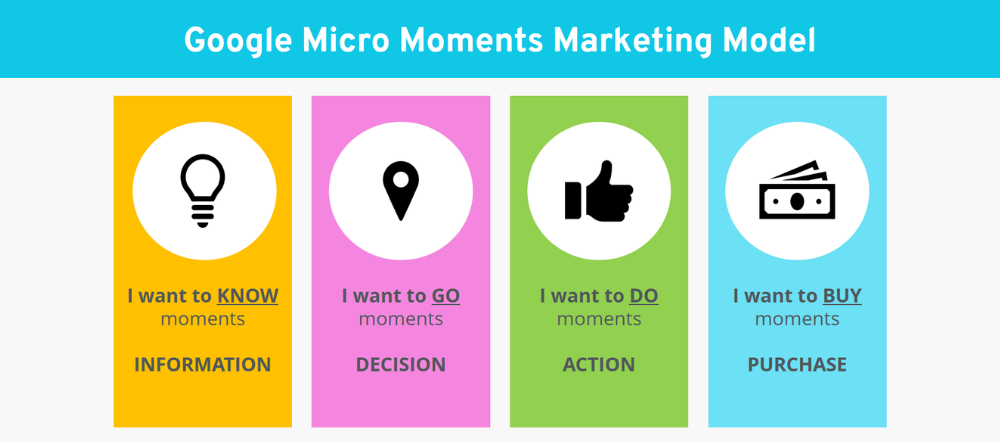
    Micro-moments are those split-second instances when consumers turn to their devices with intent – to learn, discover, watch, or buy something. Google identifies four key types:

    • “I want to know” moments – seeking information
    • “I want to go” moments – looking for local businesses
    • “I want to do” moments – needing help with a task
    • “I want to buy” moments – ready to make a purchase

    These moments are brief, but they’re goldmines for brands that can deliver exactly what consumers need, exactly when they need it.

    The Power of Real-Time Branding

    Real-time branding goes beyond scheduled content. It’s about:

    • Cultural Relevance – Brands that tap into trending topics, memes, or cultural conversations show they’re paying attention and understand their audience’s world.
    • Emotional Connection – Responding to real-time events – whether it’s a sports victory, breaking news, or viral moment – creates emotional bonds that scheduled content simply can’t match.
    • Competitive Advantage – While competitors stick to their content calendars, agile brands capture attention by being first to market with relevant messaging.

    Winning Strategies for Micro-Moment Marketing

    1. Set Up Real-Time Monitoring

    • Use social listening tools to track trending topics in your industry
    • Monitor hashtags, keywords, and conversations relevant to your brand
    • Set up Google Alerts for industry news and competitor mentions

    2. Create a Rapid Response Framework

    • Establish clear approval processes for real-time content
    • Develop brand voice guidelines for spontaneous messaging
    • Train your team to recognize and act on opportunities quickly

    3. Prepare Flexible Content Templates

    • Design adaptable graphics that can be quickly customized
    • Create message frameworks that can be tailored to different situations
    • Have a library of brand-appropriate reactions ready to deploy

    4. Know Your Audience’s Micro-Moments

    • Map out when your customers are most likely to need your product/service
    • Identify the triggers that lead to purchase decisions
    • Understand the emotional states that drive engagement

    Real-World Success Stories

    Oreo’s “Dunk in the Dark” during the 2013 Super Bowl blackout became legendary for its speed and creativity. Within minutes of the power outage, they tweeted “You can still dunk in the dark” – generating more buzz than many expensive Super Bowl ads.

    Wendy’s Twitter presence has mastered real-time engagement by jumping into conversations, responding to competitors, and creating viral moments through witty, timely responses.

    Netflix consistently capitalizes on trending topics, from award shows to viral memes, seamlessly weaving its content into cultural conversations.

    The Risks and How to Avoid Them

    Moving Too Fast

    Always consider whether your response is appropriate, on-brand, and adds value. Speed shouldn’t compromise quality or sensitivity.

    Forced Relevance

    Not every trend is right for your brand. Choose moments that naturally align with your values and audience.

    Lack of Authenticity

    Consumers can spot opportunistic brand behavior from miles away. Ensure your real-time responses feel genuine and valuable.

    Building Your Real-Time Branding Strategy

    Step 1: Audit Your Current Capabilities

    • How quickly can you create and approve content?
    • What tools do you have for monitoring trends?
    • Who on your team can make real-time decisions?

    Step 2: Define Your Participation Guidelines

    • What types of moments align with your brand?
    • What topics should you avoid?
    • How will you maintain brand consistency in spontaneous content?

    Step 3: Invest in the Right Tools

    • Social listening platforms
    • Content creation tools for quick turnaround
    • Analytics to measure real-time campaign performance

    Step 4: Train Your Team

    • Develop guidelines for real-time engagement
    • Practice with mock scenarios
    • Create clear escalation procedures

    Measuring Success in Real-Time

    Track these metrics to gauge your micro-moment marketing effectiveness:

    • Response time to trending topics
    • Engagement rates on real-time content vs. scheduled posts
    • Share rates and viral potential
    • Brand mention sentiment during real-time campaigns
    • Conversion rates from micro-moment interactions

    The Future of Micro-Moments

    As AI and machine learning advance, brands will become even better at predicting and responding to micro-moments. Voice search, augmented reality, and IoT devices will create new types of micro-moments that forward-thinking brands can capitalize on.

    Your Next Steps

    Real-time branding isn’t about being everywhere all the time – it’s about being present in the moments that matter most to your audience. Start small, be authentic, and remember that sometimes the best real-time response is knowing when not to respond at all.

    The brands that master micro-moments and real-time engagement won’t just capture attention – they’ll capture hearts, minds, and market share in ways that traditional marketing never could.

  • Stop Building Websites Like It’s 1999: Why the “Wheel and Spoke” Approach Actually Works

    Stop Building Websites Like It’s 1999: Why the “Wheel and Spoke” Approach Actually Works

    Remember when websites were basically digital brochures? Yeah, those days are dead as flip phones. Today’s successful websites aren’t just pretty faces – they’re strategic powerhouses built on what we call the “wheel and spoke” approach. And if you’re not using it, you’re basically bringing a butter knife to a gunfight.

    What the Heck is “Wheel and Spoke” Anyway?

    Think of your website like a bicycle wheel. Your homepage is the hub – the central point where everything connects. Your main service pages, product categories, or key content areas? Those are your spokes, radiating out from the center. Each spoke serves a specific purpose but always leads back to (or connects through) that central hub.

    Unlike the old-school approach of cramming everything onto one page or creating a confusing maze of random links, the wheel and spoke method creates clear, logical pathways that actually make sense to both humans and search engines.


    Why Your Current Website Probably Sucks (And How to Fix It)

    Most websites are built like digital yard sales – everything’s just thrown together hoping something sticks. The wheel and spoke approach flips this chaos on its head by creating:

    • Clear User Journeys: Visitors know exactly where they are and where they can go next. No more digital wandering in the wilderness.
    • SEO That Actually Works: Search engines love organized, interconnected content. When your site structure makes sense, Google rewards you with better rankings.
    • Conversion Paths That Convert: Every spoke leads users toward a specific action, whether that’s making a purchase, booking a call, or signing up for your newsletter.


    The Magic Behind the Method

    Here’s where it gets interesting. Each “spoke” on your website serves a dual purpose:

    1. Standalone Value: Each page provides complete, valuable information on its topic
    2. Strategic Connection: Every page naturally guides users toward your main conversion goals

    For example, if you’re a marketing agency, your spokes might include:

    SEO Services (spoke) → connects to case studies and contact forms
    Content Marketing (spoke) → links to your blog and consultation booking
    Social Media Management (spoke) → showcases results and pricing

    All roads lead back to Rome (your main conversion points), but each journey feels natural and valuable.


    Real Talk: Why Most Agencies Get This Wrong

    Too many web developers still think in terms of “pages” instead of “user experience.” They build beautiful individual pages that don’t talk to each other. It’s like having a sports car with square wheels – looks great, drives terribly.

    The wheel and spoke approach forces you to think strategically about:

    • How users actually navigate your site
    • What information they need at each stage
    • Where you want them to go next
    • How to guide them there without being pushy


    Building Your Wheel: The Strategic Framework

    Start with the Hub: Your homepage should clearly communicate who you are, what you do, and why visitors should care. Think of it as your elevator pitch in website form.

    Design Your Spokes: Each main section should dive deep into one specific area while maintaining clear connections to related topics and conversion opportunities.

    Create the Connections: Internal linking isn’t just for SEO – it’s how you guide users through their journey. Every page should have logical next steps.

    Test the Journey: Walk through your site like a first-time visitor. Does the path make sense? Can you easily find what you’re looking for? If not, adjust the spokes.


    The Bottom Line

    Your website isn’t just a digital business card – it’s your 24/7 sales team. The wheel and spoke approach ensures every team member (page) knows their role and works together toward the same goals.


    Stop building websites that look pretty but perform poorly. Start thinking strategically about user journeys, and watch your conversions climb faster than your caffeine intake on Monday morning.


    Ready to rebuild your digital presence the right way? Let’s talk about creating a website that actually works as hard as you do.

  • The Great Resignation Meets Marketing: Why Fractional is the New Full-Time

    The Great Resignation Meets Marketing: Why Fractional is the New Full-Time

    The marketing world just got flipped upside down. While companies are still posting job listings for “Marketing Manager – Must Wear 47 Different Hats,” the smartest businesses have already figured out the secret: fractional marketing isn’t just a trend, it’s the future. And if you’re still trying to find that mythical marketing unicorn who can do everything, you’re about to get left in the dust.

    The Great Marketing Exodus: What Really Happened

    Let’s be honest – the Great Resignation hit marketing departments like a freight train. But here’s the plot twist nobody saw coming: the best marketers didn’t just quit their jobs, they went fractional. And suddenly, companies that couldn’t afford a senior marketing director are getting access to CMO-level expertise at a fraction of the cost.

    The numbers don’t lie:

    Why Full-Time Marketing is Becoming Full-Time Frustration

    Remember when hiring one “marketing person” seemed like the solution? Those days are deader than QR codes in 2010. Today’s marketing landscape requires specialists, not generalists trying to juggle SEO, social media, paid ads, content creation, email marketing, and whatever else lands on their desk.

    The full-time marketing struggle is real:

    • Skill Gaps: One person can’t master every marketing channel
    • Burnout Central: Wearing too many hats leads to mediocre results across the board
    • Limited Perspective: Internal teams often develop tunnel vision
    • Scaling Nightmares: Hiring and firing based on campaign needs is expensive and messy

    Enter Fractional Marketing: The Game-Changer

    Fractional marketing isn’t just “outsourcing with a fancy name.” It’s a strategic approach that gives you access to a dream team of specialists without the nightmare of managing full-time employees.

    Here’s how it actually works:

    • SEO Specialist: Focuses solely on getting you found online
    • Content Creator: Crafts compelling copy that converts
    • Paid Ads Expert: Maximizes your ad spend ROI
    • Social Media Strategist: Builds genuine engagement and community
    • Email Marketing Pro: Nurtures leads into loyal customers

    Each expert brings years of specialized experience, current industry knowledge, and proven strategies. No more hoping your one marketing person can figure out Google’s latest algorithm update while simultaneously managing your social media calendar.

    The ROI Reality Check: Fractional vs. Full-Time

    Let’s talk numbers because your CFO is definitely asking:

    Traditional Full-Time Marketing Manager:

    • Salary: $65,000-$85,000
    • Benefits: $15,000-$20,000
    • Training/Tools: $5,000-$10,000
    • Total Annual Cost: $85,000-$115,000

    Fractional Marketing Team:

    • 3-4 specialists working part-time
    • Combined expertise worth $300,000+ in full-time salaries
    • Total Annual Cost: $50,000-$80,000

    The math is simple: better results, lower costs, higher ROI.

    Why the Best Marketers Chose Freedom

    The Great Resignation wasn’t just about people wanting better work-life balance (though that’s part of it). Top marketing talent realized they could:

    • Work with multiple exciting brands instead of being stuck with one
    • Focus on their specialty instead of being spread thin
    • Earn more money by leveraging their expertise across clients
    • Stay current with industry trends by working across different sectors
    • Avoid corporate politics and focus on what they do best

    This means companies now have access to marketing talent that was previously locked away in corporate cubicles.

    The Fractional Advantage: Why It Just Works Better

    Fresh Perspectives: Fractional teams bring insights from working across industries Specialized Expertise: Each team member is a master of their craft Scalable Solutions: Ramp up for big campaigns, scale down during quiet periods No HR Headaches: No hiring, firing, or managing employee drama Immediate Impact: Hit the ground running with proven strategies

    Making the Transition: From Full-Time to Fractional

    Ready to join the fractional revolution? Here’s how to make the switch without missing a beat:

    Step 1: Audit Your Current Marketing Needs What’s working? What’s not? Where are the biggest gaps?

    Step 2: Identify Your Specialist Requirements Do you need SEO help? Content creation? Paid advertising expertise?

    Step 3: Find Your Fractional Dream Team Look for proven track records, industry experience, and cultural fit.

    Step 4: Set Clear Goals and Metrics Define success and establish regular check-ins.

    Step 5: Watch Your ROI Soar Enjoy better results with less stress and lower costs.

    The Future is Fractional

    The Great Resignation didn’t just change how people work – it revolutionized how smart companies approach marketing. While others are still trying to find that perfect full-time marketing unicorn, forward-thinking businesses are building fractional teams that deliver results.

    The question isn’t whether fractional marketing works (the data proves it does). The question is: how long can you afford to stick with the old model while your competitors are already winning with the new one?


    Ready to stop playing catch-up and start leading the pack? The fractional marketing revolution is here, and the best time to join was yesterday. The second-best time is right now. Contact us to see if we are a good fit!

  • Top Nine Reasons Why Your Business Needs a Website

    Top Nine Reasons Why Your Business Needs a Website

    Owning a company website is just as essential as having business cards, a meeting space, or telephone number. Studies have shown that 6 out of 10 customers anticipate finding information about businesses online. So, why delay any further? Your customers are actively searching for you! If you’re a business owner who hasn’t yet ventured into the digital realm, here are nine compelling reasons that will make you question why you hadn’t done it earlier. 

    #1 – 24/7 Web Presence
    With a website, your customers can find you and learn about your services and products 24 hours a day / seven days a week. This allows for user convenience so they can search when and from wherever they want, without the pressure to make an immediate purchase. And with most of your competitors online, you’re more likely to compete with companies, even when they have larger budgets.

    #2 –  Communicating
    The exchanging of data and ideas is a fundamental part of social communication. It is an essential process for the transmission of knowledge and the development of relationships. This sharing of information is important for the development of any society, as it allows for the dissemination of ideas and the exchange of cultures.
    A website allows you to promote your company’s products and services and engage with your audience for higher sales conversions.

    #3 – Trustworthiness
    Having a responsive, easy-to-navigate website makes customers feel comfortable using your services, as they will assume they can expect the same positive experience in all areas of your business.

    Without a website, potential customers would likely distrust your business, the same as it if didn’t have a phone number or email address.

    #4 – Expenses Reduced
    After COVID, we saw a change in how many companies conducted business. Online shops replaced brick-and-mortar shops.

    Eliminating that type of overhead allows for lower pricing and higher profits – giving your business a real competitive edge.

    #5 – Expanding to New Markets

    Since your website can be accessible to anyone around the globe, the audience share for many businesses vastly increases.

    #6 – Audience Insights
    It is essential for companies to have a thorough comprehension of their customers to be able to make informed decisions. Data can be collected about your potential client every time they view and browse through your website. These data points can be used to further target customers through other digital marketing channels.

    #7 – Promotion & Advertising


    Advertising is an effective way to get people’s attention and to promote something. It is a crucial part of any business strategy, as it can help to reach potential customers and increase sales.

    Promotional advertising is an important tool for businesses to get their message out and build relationships with their target audience. It can also help to create brand recognition and loyalty. Therefore, it is essential for businesses to invest in promotion in order to maximize their reach and success.

    #8 – Competition

    Even if you don’t have a website, chances are your competitors do. You can’t compete if you aren’t seen.
    
#9 – Providing Quality Assistance Through Web Interactions
Websites provide an easy way for the company to relay common questions, while providing answers to your customers. Saving this time in interactions reduces staff time and cuts on your overhead costs. Customers can receive information instantly and saves their time, which helps to encourage positive customer relations in the long run.

    Needing a new website?We’re Here to Assist! Contact us to learn more about how we can put more of YOU into the world!

  • Stop Treating Graphic Design Like Decoration: Why Visual Strategy is Your Secret Marketing Weapon

    Stop Treating Graphic Design Like Decoration: Why Visual Strategy is Your Secret Marketing Weapon

    Here’s a hard truth that’ll make your accountant nervous: that “cheap” logo you got on Fiverr is probably costing you thousands in lost revenue. While you’re busy optimizing ad copy and tweaking email subject lines, your visual identity is either working overtime to convert customers or actively sabotaging your efforts. Spoiler alert: there’s no middle ground.


    The Visual Brain Doesn’t Lie (Even When We Want It To)

    Your customers’ brains process visual information 60,000 times faster than text. That means before they’ve even read your brilliant headline, their subconscious has already decided whether you’re trustworthy, professional, and worth their time. No pressure, right?

    The science is brutal but clear:

    Translation: your graphic design isn’t just supporting your marketing strategy – it IS your marketing strategy.


    Why Most Businesses Get Visual Marketing Catastrophically Wrong

    Let’s talk about the elephant in the room. Most companies treat graphic design like seasoning – a little sprinkle here and there to make things look “nice.” But here’s the reality check: design without strategy is just expensive decoration.

    The biggest visual marketing mistakes we see:

    1. The “My Nephew Does Design” Syndrome Just because someone can use Canva doesn’t mean they understand brand psychology, color theory, or conversion optimization.
    2. Inconsistent Visual Identity Your logo looks different on every platform, your colors change based on who’s creating content, and your fonts have more personalities than a reality TV show.
    3. Following Trends Instead of Strategy That neon gradient might look cool on Instagram, but does it align with your brand values and target audience?
    4. Forgetting the Customer Journey Your visuals should guide users from awareness to conversion, not just look pretty in isolation.


    Graphic Design as Marketing Strategy: The Framework That Actually Works

    Strategic graphic design isn’t about making things beautiful (though that’s a nice bonus). It’s about creating visual systems that communicate, persuade, and convert. Here’s how the pros do it:


    Step 1: Visual Brand Psychology

    Every color, font, and shape choice should be intentional. Are you targeting busy executives? Clean, minimal design with plenty of white space. Selling to creative millennials? Bold colors and playful typography might work better.

    Color psychology in action:

    • Blue builds trust (think Facebook, LinkedIn)
    • Red creates urgency (hello, Netflix and Coca-Cola)
    • Green suggests growth and health (Whole Foods, Spotify)
    • Black implies luxury and sophistication (Apple, Chanel)


    Step 2: Conversion-Focused Design Systems

    Your visuals should create a clear hierarchy that guides users toward your desired action. This means:

    • Headlines that grab attention instantly
    • Subheadings that maintain interest
    • Call-to-action buttons that practically beg to be clicked
    • Visual flow that naturally leads to conversion points


    Step 3: Platform-Optimized Visual Content

    One size doesn’t fit all in the visual marketing world. Your Instagram post design strategy should differ from your LinkedIn approach, which should differ from your website hero image.

    Platform-specific visual strategies:

    • Instagram: Bold, lifestyle-focused imagery with consistent filters
    • LinkedIn: Professional, data-driven graphics with clean typography
    • Facebook: Engaging, shareable content with clear messaging
    • Website: Conversion-optimized layouts with strategic white space


    The ROI of Strategic Visual Marketing

    Let’s talk numbers because your boss definitely will:

    Companies with consistent visual branding see:

    • 3.5x more brand visibility
    • 23% increase in revenue
    • 33% lower customer acquisition costs
    • 68% more likely to be remembered by customers

    Strategic graphic design delivers:

    • Higher email open rates (visual subject lines perform 42% better)
    • Increased social media engagement (posts with images get 650% more engagement)
    • Better website conversion rates (good design can increase conversions by 200%)
    • Stronger brand recall (people remember 65% of visual information after three days)


    Building Your Visual Marketing Arsenal

    Ready to stop treating design like an afterthought? Here’s your strategic visual marketing toolkit:


    Brand Foundation Elements

    • Logo variations for different use cases
    • Color palette with specific hex codes and usage guidelines
    • Typography system with primary and secondary fonts
    • Photography style that reflects your brand personality
    • Graphic elements like icons, patterns, and illustrations


    Marketing Collateral That Converts

    • Social media templates that maintain consistency while allowing creativity
    • Email design systems that increase open and click-through rates
    • Website graphics optimized for user experience and conversions
    • Print materials that extend your digital brand into the physical world
    • Presentation templates that make your team look professional every time


    Content Marketing Visuals

    • Blog post graphics that increase social shares
    • Infographics that simplify complex information
    • Video thumbnails that boost click-through rates
    • Social media graphics that stop the scroll


    The Strategic Design Process: From Concept to Conversion

    • Phase 1: Research and Strategy Understand your audience, analyze competitors, and define your visual goals.
    • Phase 2: Brand Identity Development Create a cohesive visual system that reflects your brand personality and appeals to your target market.
    • Phase 3: Application and Testing Apply your visual strategy across all touchpoints and test performance.
    • Phase 4: Optimization and Evolution Continuously refine based on data and changing market conditions.


    Measuring Visual Marketing Success

    Your graphic design strategy should be measurable. Track these key metrics:

    • Brand recognition through surveys and social listening
    • Engagement rates across all visual content
    • Conversion rates on pages with strategic design elements
    • Time on page and bounce rates for visually optimized content
    • Social shares and viral coefficient of visual content


    The Future is Visual (And It’s Already Here)

    While you’re debating whether design matters, your competitors are using strategic visuals to steal your customers. The businesses winning in today’s market understand that graphic design isn’t a nice-to-have – it’s a must-have marketing strategy.

    The bottom line: In a world where attention spans are shorter than TikTok videos and competition is fiercer than Black Friday shoppers, your visual strategy can be the difference between blending in and standing out.

    Ready to stop leaving money on the table with mediocre design? It’s time to treat your visual identity like the powerful marketing tool it actually is. Because in the battle for customer attention, the best-designed brand usually wins. Give us a holler. 

  • Untangling The Web Of Search Engine Optimization

    Untangling The Web Of Search Engine Optimization

    Technical SEO vs On-Page SEO:


    If you have more money than brains, you should focus on outbound marketing. If you have more brains than money, you should focus on inbound marketing.

    Guy Kawasaki, Co-Founder @ Alltop

    As a digital marketer, I’ve often found myself explaining the intricacies of SEO to clients who are eager to boost their online presence. One question that frequently pops up is, “What’s the difference between Technical SEO and On-Page SEO?” Let’s dive into this digital dilemma and unravel the web of optimization together.


    Decoding the SEO Puzzle

    Imagine your website as a high-performance sports car. Technical SEO is like the engine and chassis – the behind-the-scenes components that make the car run smoothly and efficiently. On-Page SEO, on the other hand, is akin to the car’s exterior design and features – the elements that immediately catch the eye and enhance the user experience.


    Technical SEO: The Digital Mechanic

    Technical SEO focuses on optimizing the backend structure of your website. It’s the unsung hero that ensures your site is crawlable, indexable, and lightning-fast. Here are some key aspects:

    • Site Speed: Ever clicked away from a slow-loading page? You’re not alone. Technical SEO works to optimize load times, keeping visitors engaged.
    • Mobile Responsiveness: With more people browsing on their phones than ever before, a mobile-friendly site is non-negotiable.
    • XML Sitemaps: These act as roadmaps for search engines, helping them navigate and index your site efficiently.
    • HTTPS Security: Not only does this protect user data, but it’s also a ranking factor for search engines.


    On-Page SEO: The Content Curator

    On-Page SEO is all about optimizing individual web pages to rank higher and earn more relevant traffic. It’s the art of crafting content that both users and search engines love. Key elements include:

    • Keyword Optimization: Strategically placing target keywords in titles, headers, and throughout the content.
    • Meta Descriptions: These snippets are your website’s elevator pitch on search engine results pages.
    • Content Quality: Creating valuable, engaging content that answers user queries and keeps them coming back for more.
    • Internal Linking: Guiding users (and search engines) through your site’s content ecosystem.


    The SEO Synergy: When Technical Meets On-Page

    While distinct, Technical SEO and On-Page SEO are two sides of the same coin. They work in tandem to create a seamless user experience and improve search engine rankings. Here’s how:

    1. Speed and Content: Technical SEO ensures your site loads quickly, while On-Page SEO provides the engaging content that keeps users on your site.
    2. Structure and Substance: Technical SEO creates a solid site structure, which On-Page SEO fills with optimized, valuable content.
    3. Visibility and Value: Technical SEO makes your site discoverable, while On-Page SEO ensures it’s worth discovering.


    The Local SEO Connection

    It’s worth noting that Local SEO – optimizing your online presence to attract more business from relevant local searches – incorporates elements of both Technical and On-Page SEO. For instance, optimizing your Google My Business listing (a Local SEO tactic) involves both technical aspects (accurate NAP information) and on-page elements (optimized business descriptions).


    The SEO Symphony

    In the grand orchestra of digital marketing, Technical SEO and On-Page SEO play distinct but harmonious roles. Neglecting either is like trying to drive that sports car with a sputtering engine or a rusted exterior – you simply won’t get the performance you’re after.


    As search engines evolve and user expectations grow, the line between Technical and On-Page SEO may blur. But one thing remains clear: a holistic approach to SEO, encompassing both technical and on-page elements, is crucial for online success.

    Ready to rev up your website’s performance? It’s time to fine-tune your Technical SEO and polish your On-Page optimization. Your digital journey to the top of search results starts now! Contact us for a FREE Search Engine Optimization Audit today!